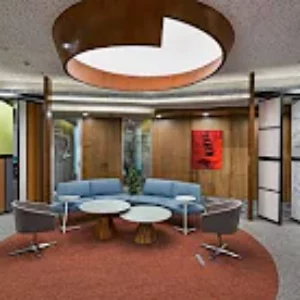

What is a false ceiling? A false ceiling, also known as a dropped ceiling or secondary ceiling, is a fitted ceiling that hangs below the main ceiling of a room. It is typically made from lightweight materials and is suspended with the help of metal frameworks. This design feature not only enhances the appearance of a space but also offers several practical advantages.
False ceilings have become an important part of modern home interiors. They allow homeowners to personalise their living spaces with a wide variety of textures, colours, and lighting options. Whether you are designing a new home or renovating an old one, false ceilings can bring both style and function into your rooms. From improving room acoustics to hiding unsightly wiring, false ceilings serve multiple purposes while adding a touch of elegance to any space.
Benefits of False Ceiling
1. Better Aesthetic Appeal
False ceilings add a polished and modern look to any room. They create clean lines, hide ceiling imperfections, and provide a platform for creative lighting designs, such as cove lights or recessed lights.
2. Temperature Moderations
False ceilings can reduce the amount of space to be cooled or heated, which helps maintain a comfortable temperature indoors. This is especially useful in hot climates, where it helps trap cool air.
3. Lessen Energy Consumption
False ceilings create an insulating layer, helping to lower energy bills. They reduce the strain on air conditioners and heaters, leading to better energy efficiency.
4. Lower Noise Levels
A false ceiling can absorb sound, reducing noise levels within a room. This makes them ideal for spaces like home theatres, offices, or bedrooms where a quieter environment is preferred.
5. Concealing Wiring and Pipes
False ceilings neatly hide wires, ducts, and plumbing that would otherwise be visible. This results in a cleaner and more organised appearance.
6. Better Fire Protection
Certain false ceiling material types are fire-resistant and help in slowing down the spread of fire. Materials like gypsum and mineral fibre are known for their fire-retardant properties.
7. Moisture Resistance and Structural Stability
Many false ceilings are designed to resist moisture and prevent sagging. This makes them suitable for areas with high humidity, such as bathrooms and kitchens.
Ceiling Solutions Offered by Everest Industries
At Everest Industries, we offer a range of ceiling solutions that are strong, long-lasting, and easy to install. Our boards and panels are ideal for both residential and commercial interiors. These solutions include:
- Fibre cement ceiling boards
- Pre-painted and laminated boards
- Moisture-resistant and fire-retardant panels
- Acoustic ceiling options for noise reduction
These options are specially designed to suit different room needs and weather conditions, helping you achieve a safe, stylish, and functional ceiling setup.
8 Different Types of False Ceilings You Should Know About
1. Plaster of Paris (POP) False Ceiling
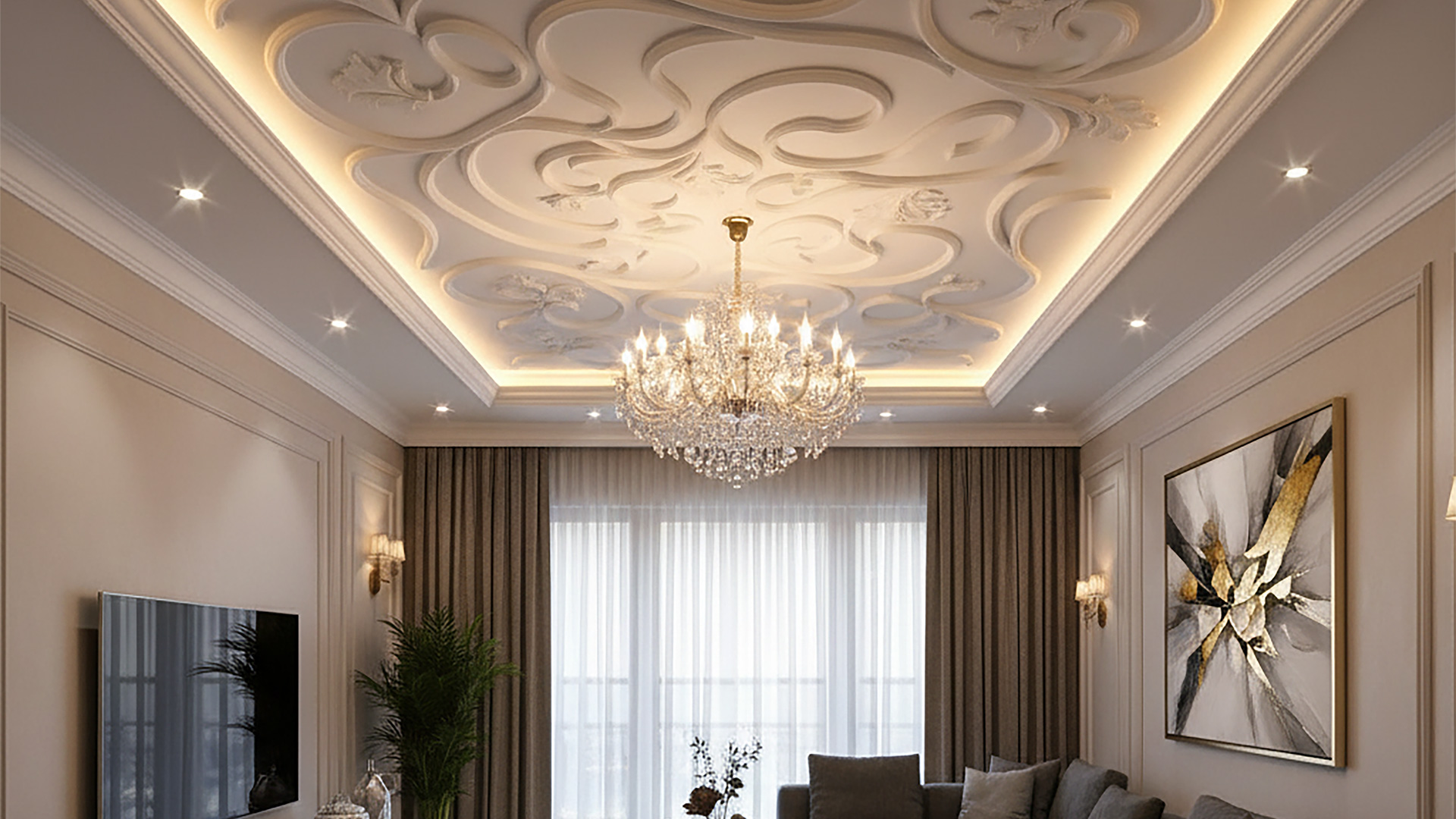
POP is one of the most common types of false ceiling material. It is easy to mould into various shapes and allows for intricate design work, such as curves and floral patterns. POP gives a smooth finish and is perfect for elegant and creative ceiling designs. POP ceilings are cost-effective and widely used for decorative purposes.
2. Gypsum False Ceiling
Gypsum boards are lightweight, fire-resistant, and offer a clean, modern look. These ceilings are suitable for both homes and offices. They are easy to install and can be customised with recessed lighting and textures. Gypsum is also moisture-resistant, making it ideal for use in kitchens and bathrooms.
3. Wood False Ceiling
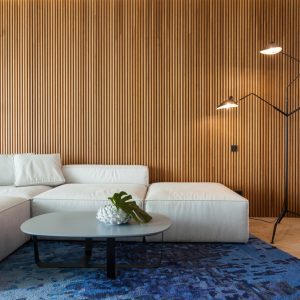
Wooden false ceilings add warmth and elegance to interiors. Available in various grains and finishes, wood ceilings can be installed in beams, panels, or even intricate carvings. They are often used in living rooms and bedrooms. Regular maintenance is necessary to prevent issues such as termite infestations or warping.
4. Metal False Ceiling
Metal ceilings, made from aluminium or galvanised iron, are known for their durability and resistance to moisture. They are commonly used in commercial buildings, hospitals, and high-humidity areas. These ceilings can come in plain, perforated, or patterned designs for a clean, industrial look.
5. Fibre False Ceiling
Fibre ceilings are made from a mix of natural or synthetic materials like wood pulp, bitumen, or resin. They are excellent at sound absorption and insulation, which makes them a good choice for offices, schools, and auditoriums. Fibre ceiling tiles are available in various designs and are easy to install.
6. Glass False Ceiling
Glass adds a touch of luxury and can make rooms appear more spacious. They are available in frosted, tinted, or stained varieties. Glass false ceilings are best used for enhancing natural light or decorative appeal. However, they require careful installation and handling.
7. PVC False Ceiling
PVC ceilings are waterproof, lightweight, and require minimal maintenance. They are a practical option for bathrooms, kitchens, and other moisture-prone areas. PVC panels are available in various colours and designs, including wood and marble effects.
8. Fabric and Synthetic Leather False Ceiling
These false ceilings are more decorative and are often used in luxury or themed interiors. The fabric or synthetic leather is stretched over a frame and can be paired with lighting to create a soft, elegant look. Ideal for home theatres, lounges, or boutique setups.
Key Factors That Influence False Ceiling Costs
- Material Type: Some materials, like POP and PVC, are more affordable, while glass and wood tend to be more expensive.
- Design Complexity: Intricate patterns or multi-level ceilings can increase labour and installation costs.
- Room Size: Larger rooms require more materials and effort, which impacts the overall budget.
- Installation Method: Hidden frameworks, lighting integration, and finish quality also affect pricing.
Why False Ceilings Are Worth Considering
False ceilings not only uplift the style of your home but also offer practical benefits like better temperature control, energy savings, and improved acoustics. When you learn about different types of false ceiling and their advantages, you can make a choice that suits both your design preferences and functional needs. Whether you prefer the simplicity of gypsum or the elegance of wood, there’s a false ceiling material type for every space. Choose wisely and transform your interiors into a more beautiful and efficient living environment.