
When it comes to home and building interiors, walls play an important role in defining the look and feel of a space. While plain painted walls are common, wall panels are becoming increasingly popular for both residential and commercial spaces. They not only add style but also offer practical benefits such as protection, insulation, and easy upkeep. If you’ve ever wondered what is wall panel or how wall paneling can improve your interiors, this guide covers everything you need to know.
What Is a Wall Panel?
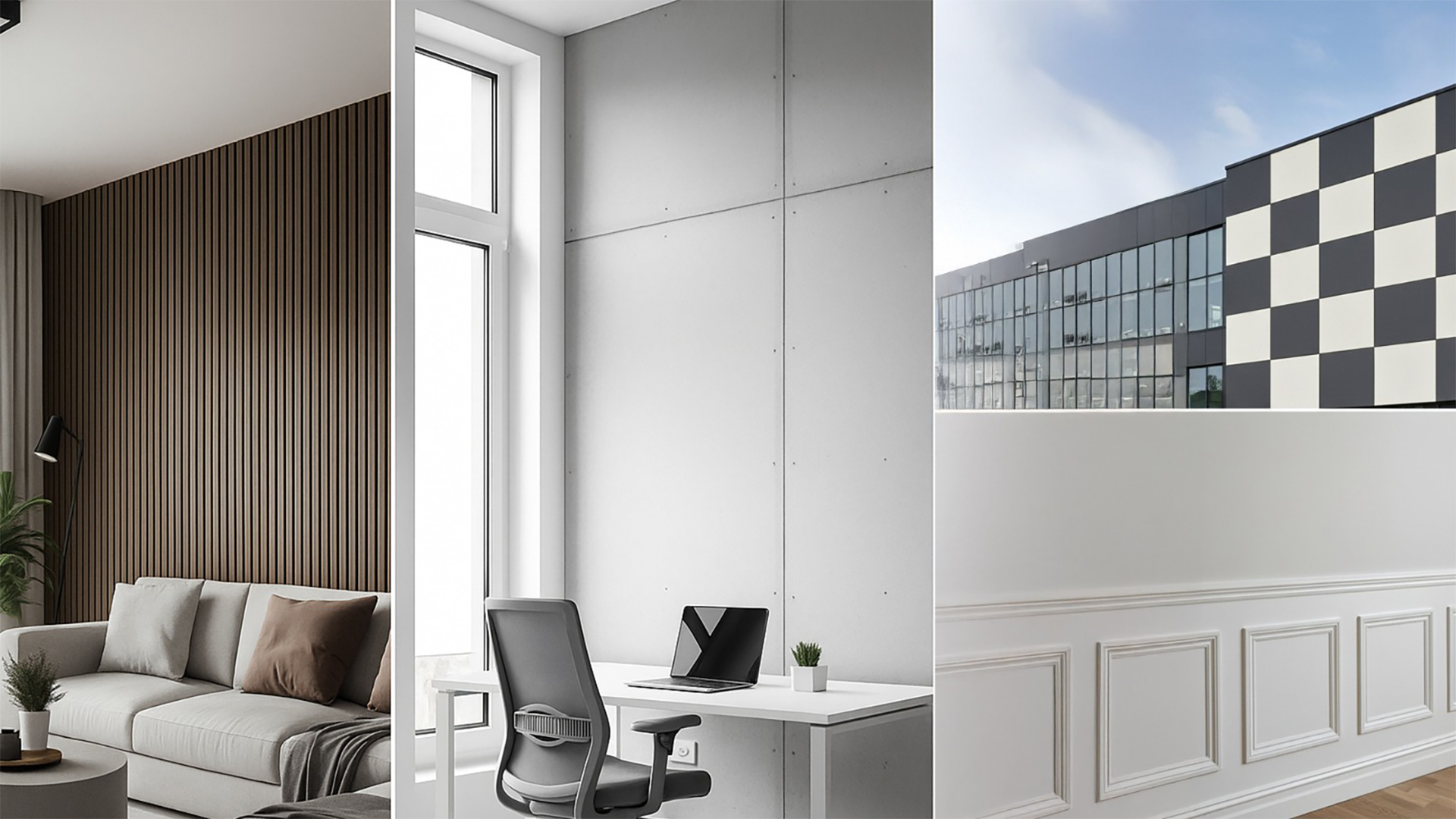
A wall panel is a flat, pre-fabricated board that is fixed to the walls of a building. It can be made from different materials such as wood, MDF, PVC, cement boards, or glass. The purpose of wall panels goes beyond decoration. They protect the wall surface, hide uneven finishes, and add a neat, stylish touch to interiors and exteriors. Simply put, the wall panel is a decorative and functional covering for walls that improves both design and performance.
Composition of Wall Panels
Fibre Cement Boards
Fibre Cement Boards are a modern, high-performance material made from a mix of cement, cellulose fibres, and special additives. They are tough, long-lasting, and suitable for both interiors and exteriors.
Benefits:
- Resistant to moisture, fire, and termites
- Do not warp, crack, or peel easily
- Provide smooth finishes for painting, wallpaper, or laminates
- Ideal for living rooms, bedrooms, offices, kitchens, and even semi-outdoor spaces
- Low maintenance and easy to install
Cement Panels
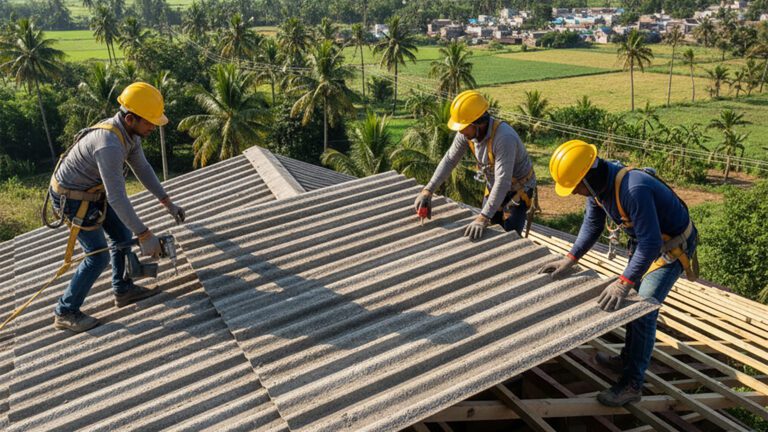
Cement Panels are strong, factory-made walling solutions designed for fast-track construction. They are lightweight yet sturdy, making them a preferred choice for residential, commercial, and industrial projects.
Benefits:
- Quick to install compared to brick or block walls
- Offer sound and thermal insulation
- Fire and moisture resistant
- Provide clean and uniform wall surfaces
- Can be used for partitions, cladding, and external walls
Wood or MDF Panels
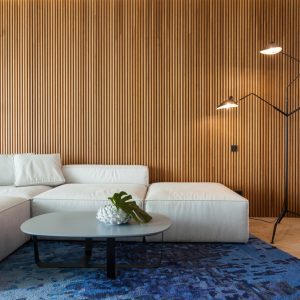
Wooden and MDF wall panels give interiors a natural, warm, and premium look. They are often used in living rooms, bedrooms, and offices to add elegance.
Benefits:
- Rich aesthetic appeal
- Variety of finishes and textures available
- Easy to customise for design needs
- Best suited for dry indoor areas
PVC Panels
PVC (Polyvinyl Chloride) panels are lightweight and water-resistant, making them suitable for areas where humidity is a concern.
Benefits:
- Easy to clean and maintain
- Resistant to dampness and termites
- Available in a wide range of designs and colours
- Quick installation with minimal mess
Glass Panels
Glass panels are used for a sleek, modern look. They are often chosen for offices, hotels, and commercial spaces where style and brightness are priorities.
Benefits:
- Reflective or frosted options for different aesthetics
- Allow natural light to pass through
- Easy to wipe clean
- Create a premium, contemporary finish
Benefits of Wall Paneling
Enhanced Aesthetics
Wall panels transform the look of a space instantly. From modern textures to traditional finishes, wall paneling brings character and style that plain walls cannot.
Improved Insulation and Acoustic Properties
Wall panels add an extra layer to the wall, helping to keep rooms cooler in summer and warmer in winter. They also absorb sound, reducing noise levels inside a room.
Protection for Walls
They act as a shield against scratches, dampness, and wear and tear. This extends the life of your walls and reduces the need for frequent repairs.
Easy Installation and Maintenance
Most wall panels are lightweight and designed for quick installation. They are also easy to clean and maintain compared to painted or plastered walls.
Common Uses of Wall Panels
Interior Applications
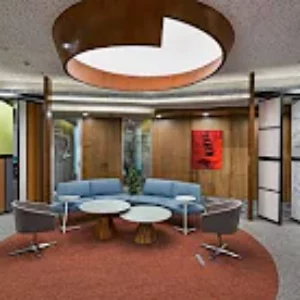
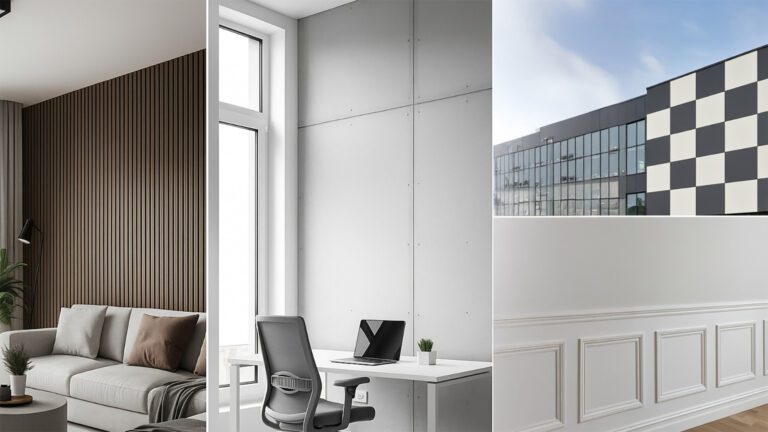
In interiors, wall panels are widely used in living rooms, bedrooms, offices, and hotels to create a stylish and welcoming atmosphere. Fibre cement and cement boards allow smooth finishes that can be painted, laminated, or wallpapered to match any design. Panels also help improve acoustics and insulation indoors, making spaces more comfortable.
Wall Panelling for TV: Create the Perfect Media Wall
Exterior Applications
For exteriors, wall panels are used as facades, cladding, or protective layers. They give buildings a clean, modern look while also adding strength and durability. Panels resist weather changes, moisture, and termites, which makes them a smart alternative to traditional plaster or paint. Many builders now prefer cement-based panels for long-lasting exterior protection.
Industrial Use
In factories, warehouses, and other industrial spaces, wall panels are used for partitions, boundary walls, and damp-proofing. They are strong enough to handle impact, provide fire safety, and are faster to install compared to brick walls. This makes them cost-effective for large-scale projects where speed and efficiency are important.
Wainscoting and Partial-Height Paneling
Wainscoting is a traditional style of paneling where only the lower portion of the wall is covered. If you are wondering what is wainscoting, it is both decorative and functional. It protects walls from scuffs, stains, and scratches, especially in high-traffic areas like hallways, lobbies, and dining rooms, while also adding a touch of elegance. Today, wainscoting can be achieved with a variety of panel materials, ranging from MDF to fibre cement boards, depending on the desired look and durability required.
Why Choose Everest Wall Panels?
Everest Industries offers advanced wall paneling solutions designed for both style and durability. Their wall panels are:
- Strong and long-lasting
- Resistant to moisture, fire, and termites
- Easy to install and maintain
- Suitable for homes, offices, and industrial spaces
By combining modern design with reliable performance, Everest wall panels are a smart choice for anyone looking to enhance interiors or exteriors.
Why Wall Panels Are a Smart Choice for Every Space
Wall panels are more than just decorative elements. They improve aesthetics, offer insulation, protect walls, and provide practical solutions for both homes and businesses. With versatile applications in interiors, exteriors, and industrial settings, wall panels are a reliable choice for modern construction. Everest Industries makes this even better with high-quality wall panel solutions that ensure strength, safety, and lasting style.
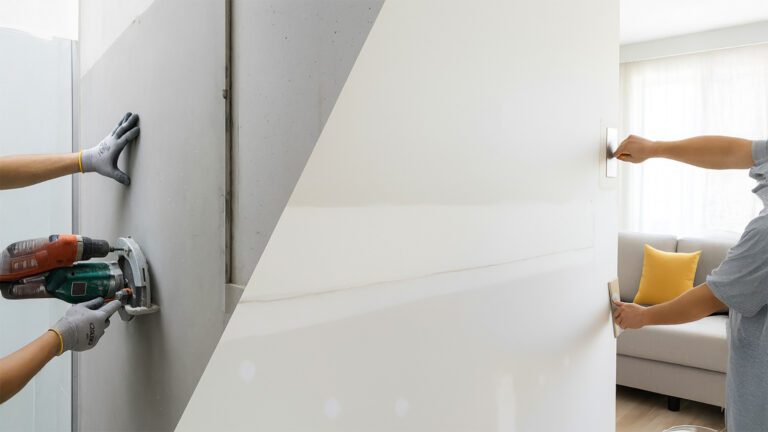
How to Install Wall Panels: Step-by-Step Guide
FAQs
1. What is the meaning of wall panel and wall paneling?
A wall panel is a flat board used to cover and protect walls, while wall paneling refers to the process of using these panels to improve design and performance.
2. What is wainscoting in wall design?
Wainscoting is a type of wall paneling that covers the lower portion of walls. It adds protection against marks and scratches while also improving the look of the room.
3. Can wall panels be used in moisture-prone areas like bathrooms?
Yes, moisture-resistant materials like PVC or fibre cement wall panels are ideal for bathrooms, kitchens, and other damp areas.
4. Which wall panel type is most durable in India?
Fibre cement or cement board wall panels are considered the most durable in Indian conditions because they are resistant to fire, moisture, and termites.