
Buildings face constant exposure to rain, heat, wind, and humidity. Without a strong outer layer, the structure underneath deteriorates fast. Exterior wall panels solve this by acting as a durable protective skin that guards the building while giving it a clean, finished look.
Whether you are building from scratch or renovating an existing structure, understanding what exterior wall panels are and how they work helps you make the right choice for long-term performance and protection.
What Are Exterior Wall Panels?
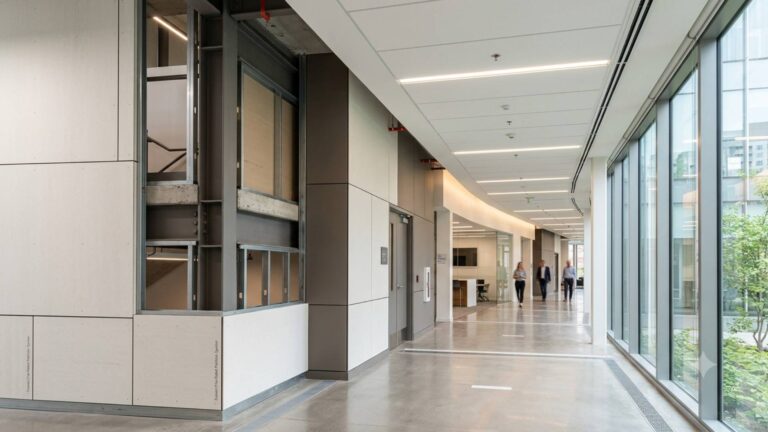
Exterior wall panels are flat or profiled boards applied to the outer surface of a building to protect it from weathering and environmental damage. They form the building envelope, shielding the structure from moisture, heat, impact, and pests.
Good exterior wall panels are weather resistant, fire resistant, moisture resistant, impact resistant, and termite proof. They are also dimensionally stable, eco-friendly, and support faster construction.
Did You Know?
Exterior wall panels have an optimal thickness of 8 to 10mm for external use, giving them the strength to handle long-term outdoor conditions without warping or damage.
What Are Outdoor Wall Panels?
Outdoor wall panels are specifically engineered for exterior environments, built to handle sustained exposure to sun, rain, and moisture without degrading. They resist moisture absorption, require very little maintenance, and hold up through seasonal temperature changes.
Always verify that the panels you choose are rated for outdoor use. Interior-grade panels will break down quickly when exposed to the elements.
Types of Exterior Wall Panels
There are three main types of exterior wall panels used in construction:
Fibre Cement Panels (SuperHD):
These are made from cement, silica, and cellulose fibres. They are dense, impact-resistant, and perform well against moisture, fire, and termites. Available in thicknesses of 9mm and 12mm with a standard size of 2440x1220mm, they are one of the most widely used options for exterior cladding across residential and commercial projects.
Cement Wood Plank Panels:
This replicates the look of natural timber without the vulnerabilities of real wood outdoors. Real wood warps, rots, and is prone to pest damage. Cement wood planks deliver the same visual warmth at 8mm thickness and 3000x150mm size, making them a practical choice for facades where a natural aesthetic matters.
Textured Wall Panels:
Textured Wall Panels add surface depth and visual character to a building’s exterior. With raised or embossed textures, they are often used for feature walls and accent sections. They come in 8mm thickness at 2440x1220mm and work well for both residential and commercial facades.
What Are Exterior Cladding Panels?
Exterior cladding panels refer to panels applied as a cladding system on the outer face of a building. Cladding means layering one protective material over another, forming a barrier between the structure and the outside environment.
These panels protect the building from weathering while improving its visual appeal. A properly installed cladding system extends the life of the structure by keeping moisture and heat away from the core. Key properties include weather resistance, fire resistance, moisture resistance, impact resistance, and termite resistance, all of which contribute to long-term durability with low maintenance. The result is a building envelope that performs consistently without demanding constant repair or replacement.
Protect Your Building from the Outside In
Looking for exterior wall panels that deliver real, long-term protection? Everest Industry offers a complete range of wall cladding solutions built for durability, low maintenance, and superior weather resistance.
Explore Everest Industry Wall Cladding Solutions and find the right fit for your next project.
Applications of Exterior Wall Panels
Exterior wall panels are used across a wide range of building types.
External Cladding:
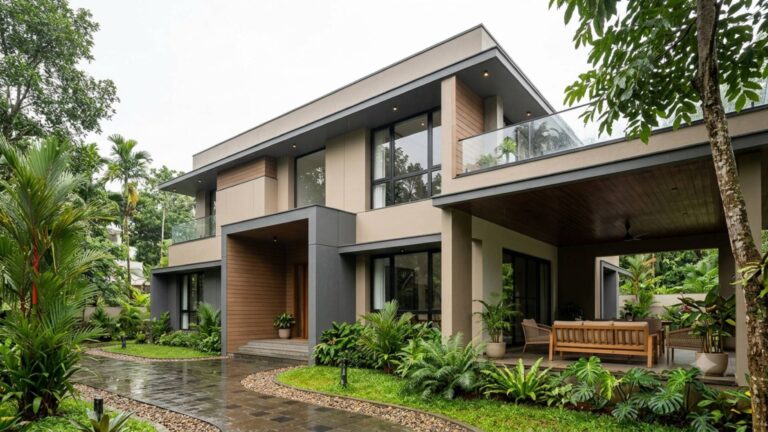
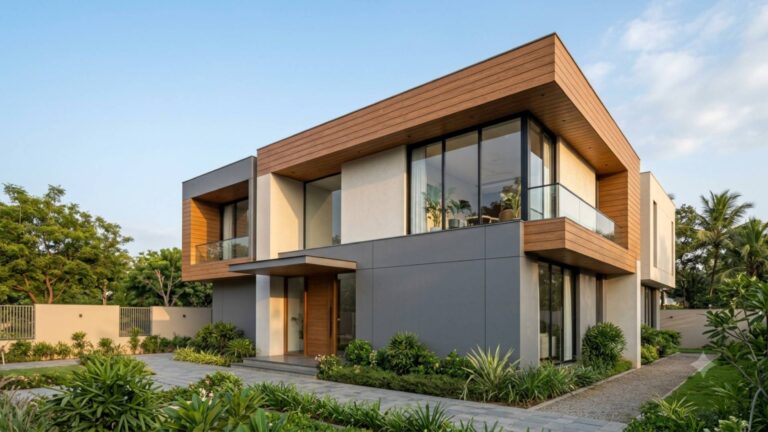
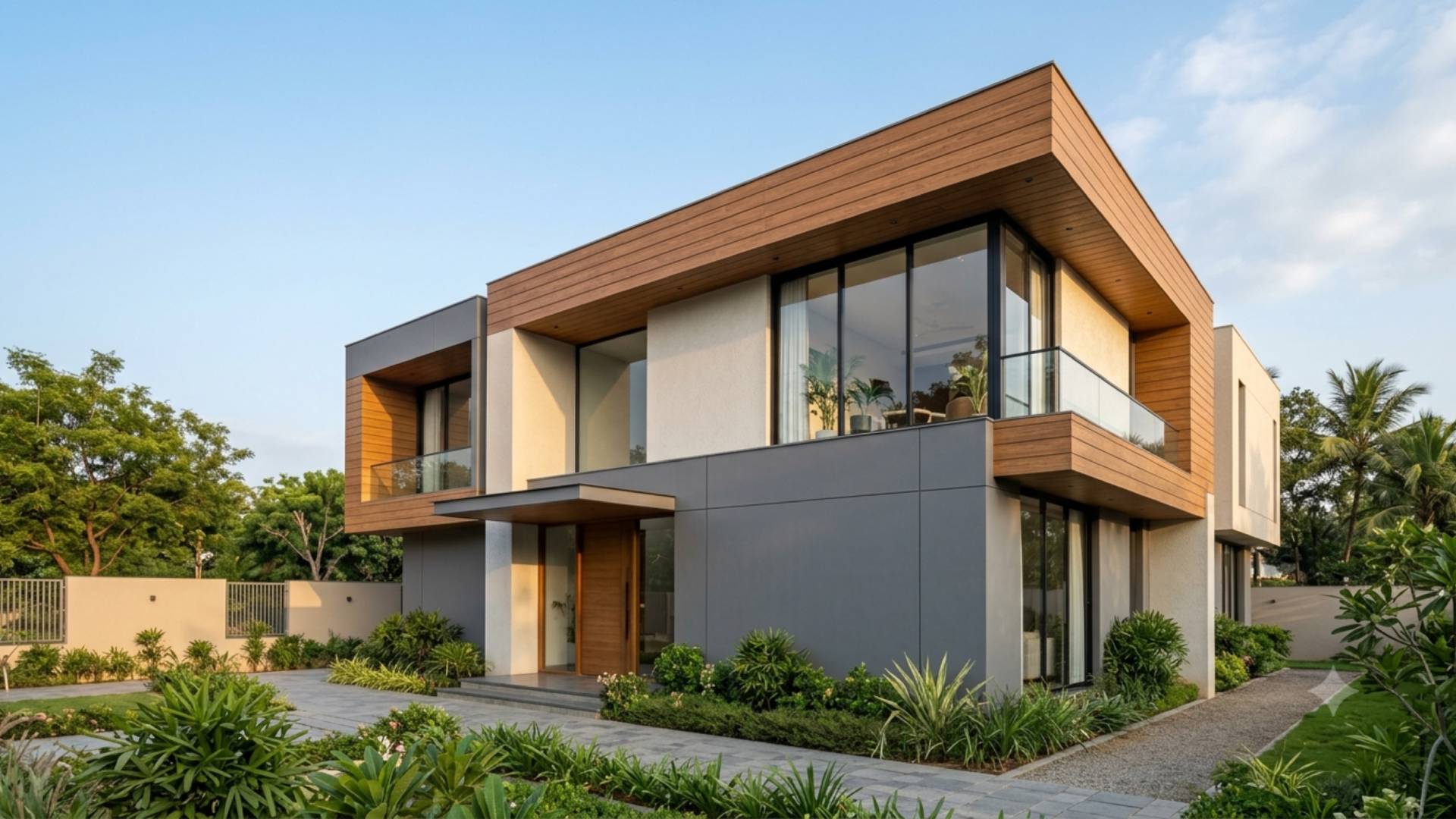
External Cladding is the most common application. Panels are installed on the outer walls of homes, apartments, offices, retail stores, hotels, and schools to protect the structure and enhance curb appeal. Projects like residential row houses, hospitality resorts, and commercial stores have used exterior wall cladding for both protection and visual impact. The superlative resistance properties of fibre cement boards protect buildings from any form of weathering while providing a captivating look to the space.
Internal Cladding:
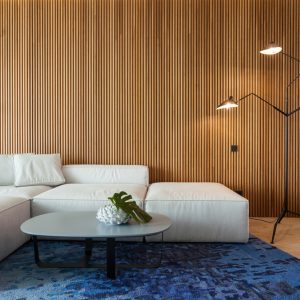
This is used inside buildings to guard against permanent seepage and moisture damage. Interior cladding panels are ideal for wet areas such as bathrooms and kitchens, as well as commercial and institutional spaces. They provide a sleek, finished look while protecting walls from damp-related damage. Panels for internal use range from 6 to 8mm in thickness.
Duct Encasement:
Duct Encasement is a specialised application where cladding panels are used to cover mechanical ducts on building exteriors. Designer jali boards are used here, featuring perforated surfaces that compress air through the holes to help lower surrounding temperatures. These panels are cost-efficient and withstands prolonged exposure to extreme weather.
Common Mistakes to Avoid
Choosing panels based on looks alone is one of the most common errors. A panel that does not have proper moisture resistance will show visible damage within a few years, especially in humid climates. Using interior-grade panels for exterior applications is another frequent mistake. Interior panels are not built for outdoor exposure and will deteriorate quickly. Always confirm the panel is rated for the environment it will be installed in.
Poor installation is a leading cause of cladding failure. Even high-quality panels will underperform if gaps are left unsealed or fastening is done incorrectly. Moisture can enter through poorly finished edges and work its way into the structure, defeating the purpose of the cladding entirely.
Finally, ignoring thermal properties affects energy efficiency. Panels with low thermal conductivity help maintain stable interior temperatures, reducing the load on heating and cooling systems throughout the year.
FAQs
What are exterior wall panels?
Exterior wall panels are flat or profiled boards applied to the outer surface of a building to protect it from weathering, moisture, fire, impact, and pests while enhancing its overall appearance.
What are outdoor wall panels used for?
Outdoor wall panels are used to protect the exterior surfaces of buildings from sun, rain, moisture, and temperature changes while keeping maintenance requirements low.
What are exterior cladding panels?
Exterior cladding panels are boards applied as a protective outer layer over a building’s structure, shielding it from weathering while improving its visual appeal.
What are the benefits of weather resistant panels?
Weather resistant panels protect buildings from moisture, heat, and environmental damage, keeping the structure intact longer while reducing repair and maintenance costs over time.