
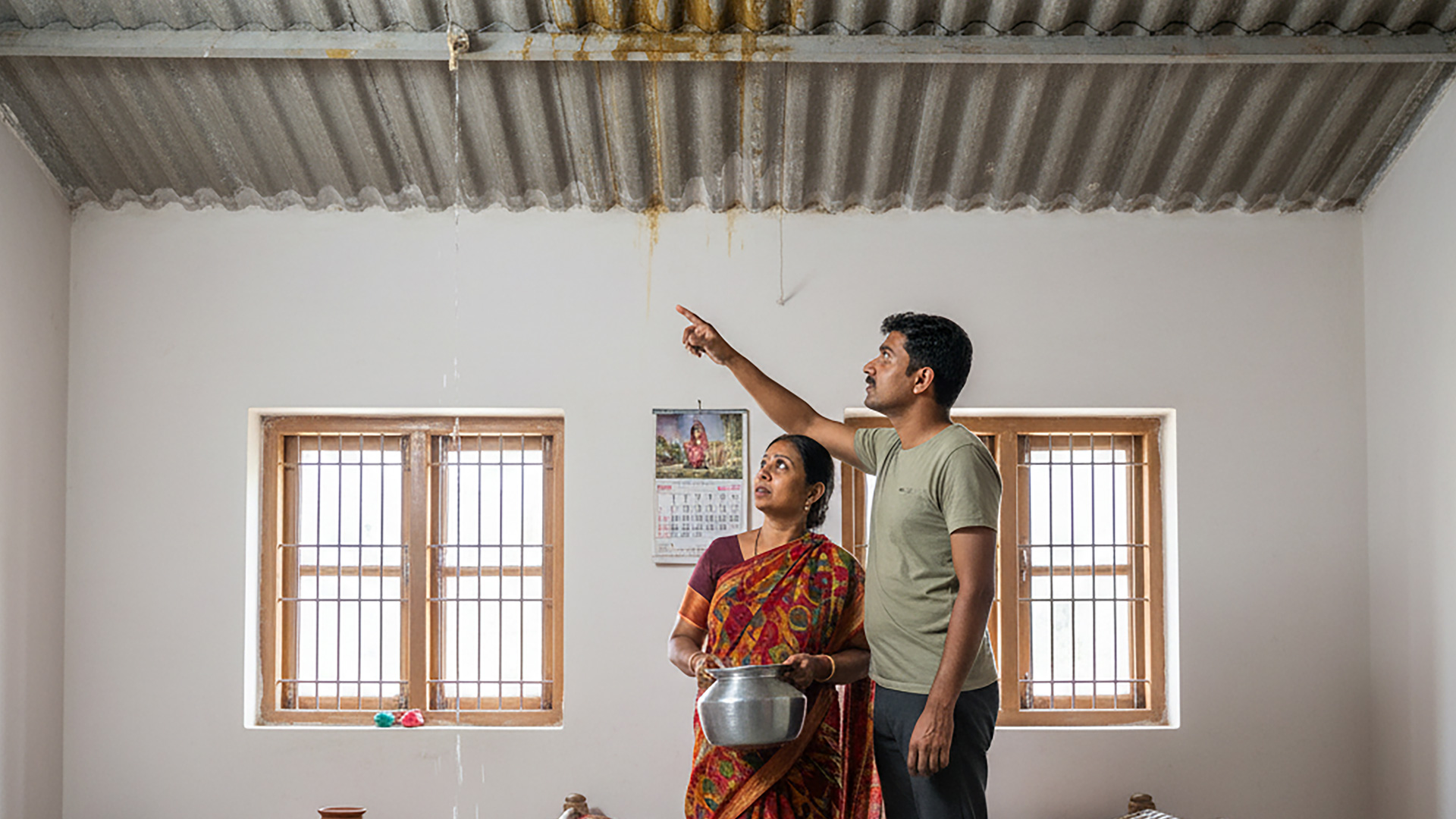
Most homeowners only notice roofing problems when there’s already visible damage.
A lack of inspection and delayed repairs can lead to water damage inside walls, short circuits, mould growth, and even weakened structural integrity. According to the Insurance Institute for Business & Home Safety, roof damage is the main reason people claim home insurance after big storms or disasters.
Spotting roof issues early helps you avoid expensive repairs, increases your roof’s lifespan, and protects your home’s value. Let’s explore the 10 most common roof problems and how you can prevent them.
Factors That Cause Roofing Problems?
Understanding what causes roof problems is the first step. While every roof has a natural lifespan, some issues can appear early due to a few main factors.
1. Weather Conditions
Extreme weather, such as heavy rain, hailstorms, strong winds, or scorching sun, can cause significant stress on a roof. Water can seep through small cracks, while hail or wind may break or lift shingles. UV rays accelerate material breakdown, especially in areas with high sun exposure.
2. Poor Installation
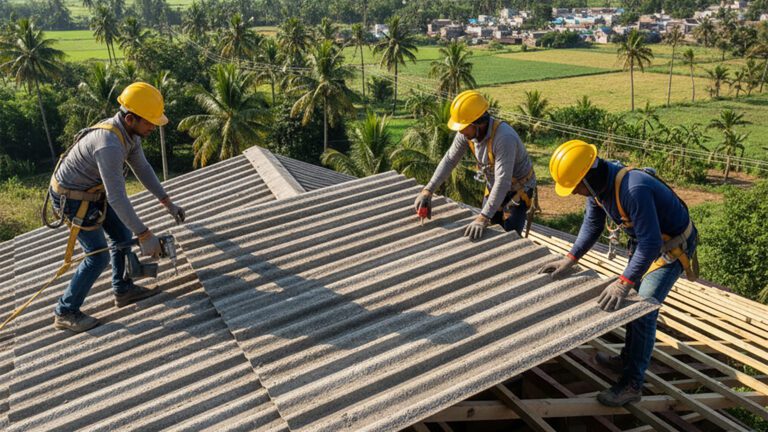
Even the best materials can fail if not installed correctly. Incorrect overlapping of roofing sheets, improper sealing, or loose fixing can lead to early damage, leaks, or even full roof displacement during a storm. That’s why correct installation, using proper materials and fixing systems, is critical.
3. Lack of Maintenance
A roof that isn’t checked regularly is more vulnerable to small problems turning into big ones. For instance, debris in gutters or unnoticed cracks can allow water to enter the structure. Regular inspection and minor repairs go a long way in extending roof life.
4. Old Roofs
Most roofing materials have a life expectancy of 20 to 30 years. Beyond this, the materials start deteriorating—seals break down, protective layers wear off, and structural components weaken. Old roofs often show signs like sagging, cracking, and leaks.
Indicators That Help Spot Roof Issues Early
Spotting a problem early can help you fix it before it grows. Here are signs that suggest your roof might need attention.
1. Water Stains
Brown or yellow stains on ceilings or walls are often caused by leaks. These stains show that water is making its way through the roof and into your home, especially during or after rain.
2. Missing or Damaged Shingles
If tiles or sheets are loose, cracked, or missing entirely, your roof is vulnerable to water seepage and wind damage. These are clear signs the roofing surface has been compromised.
3. Sagging Roof
A visibly drooping section of the roof could mean water is pooling or the structure beneath is weakened. This can be due to damaged rafters, soaked underlayment, or prolonged leakage.
What Are The Most Common Roof Problems?
Let’s dive into the top 10 roofing problems homeowners face, how they affect your home, and smart ways to prevent them.
1. Roof Leaks
Leaks are the most frequent and damaging roofing problems. They often occur at vulnerable points—around chimneys, valleys, skylights, or damaged seams. Over time, even small leaks can lead to rusted fasteners, rotting wooden rafters, and indoor mould.
Why It Happens: Poor waterproofing, cracked flashing, or improperly sealed joints.
Solution: Seal potential leak points using weatherproof flashing and bitumen tape. Use EPDM washers at screwing points during installation for added leak protection. For long-term performance, consider Everest Hi-Tech Roofing Sheets, designed to resist water ingress.
2. Missing or Broken Shingles
Shingles or tiles can break or blow away due to high-speed winds, hailstorms, or thermal expansion. This creates openings for moisture and pests.
Why It Happens: Age, improper installation, or poor-quality materials.
Solution: Replace missing sheets immediately. For better resistance, opt for Everest Evercool Sheets, built to withstand high wind zones and UV stress.
Super Colour
3. Pooling Water
Water that stays stagnant on the roof, especially flat or low-slope designs, can penetrate membranes and deteriorate insulation layers.
Why It Happens: Poor slope design, clogged drainage, or surface sagging.
Solution: Ensure your roof has at least a 1:40 slope for proper drainage. For surfaces, use Everest Supercolour, which comes with water-repellent and antifungal features to protect against moisture-related damage.
Everest Fibre Cement Boards
4. Cracks or Blisters
These surface deformations can let in moisture and break the protective outer layer. Blisters usually trap moisture and air, expanding with heat and weakening the membrane.
Why It Happens: Long-term UV exposure, poor ventilation, or trapped moisture.
Solution: Apply roof primer and sealant over hairline cracks, and replace blistered sections. For sun-heavy areas, use Everest Evercool Sheets — UV-resistant sheets with a high SRI (Solar Reflectance Index) that help reduce surface breakdown.
Everest’s Evercool Sheets
5. Clogged Gutters
Overflowing gutters push water back under roof edges or into walls, creating damp patches and leaks.
Why It Happens: Accumulated leaves, debris, or algae growth.
Solution: Clean gutters after storms and every season change. Install wire mesh to reduce debris collection. Ensure water is diverted 3–4 feet from your foundation.
6. Flashing Damage
Flashing seals the edges and valleys of roofs. When it cracks, bends, or rusts, it allows water to seep in, leading to interior leaks.
Why It Happens: Improper fixing, age-related corrosion, or weather movement.
Solution: Replace old metal flashing with weatherproof coated flashings.
7. Ventilation Issues
A poorly ventilated attic traps moisture and heat, weakening the roof structure and raising indoor temperatures.
Why It Happens: Lack of ridge vents, soffit vents, or airflow gaps.
Solution: Add soffit vents and ridge ventilation to create air flow. In hot regions, install reflective barriers to keep attic temperatures low.
8. Tree Damage
Low-hanging branches can scratch the roofing surface, loosen fixings, or fall and break roof components. Leaves block gutters and trap moisture.
Why It Happens: Proximity to overgrown trees, lack of trimming.
Solution: Trim trees back at least 6–8 feet from the roof. Inspect after storms for debris buildup. Use impact-resistant sheets like fibre cement roofing sheets from Everest. Their composition resists minor impact better than metal.
9. Wear and Tear
Roofs age over time. Weather, pollutants, and constant UV exposure degrade surface coating and material strength.
Why It Happens: Normal ageing, poor-quality materials, or insufficient protective coatings.
Solution: Apply a roof-protecting coat every 3–5 years. Replace brittle or faded sheets. Everest’s colour-coated sheet s last longer without frequent touch-ups.
10. Incorrect Installation or Repairs
Improper overlaps, uneven nailing, or mismatched materials compromise the roof’s integrity from the beginning.
Why It Happens: Untrained labour, DIY fixes, or mixing incompatible products.
Solution: Engage trained roofing professionals experienced with branded systems like Everest Roofing to ensure correct sheet placement, proper layering, and secure fastening.
Avoid DIY fixes on large areas. Hire trained professionals familiar with branded systems to ensure proper layering and fasteners.
Seal the Deal on Roof Safety
Roof problems and solutions go hand in hand, but prevention is always better than cure. A small leak can turn into wall dampness, a loose tile into heat gain, and a blocked gutter into a flooded ceiling. The key lies in vigilance: spotting issues early and acting fast.
Whether you’re dealing with heavy monsoons in Kerala or dry winds in Gujarat, you can rely on Everest. We offer materials engineered for local conditions and long-term peace of mind.
FAQ
1. What is the most common roof damage?
Roof leaks are the most frequent issue, often caused by broken tiles, cracks, poor sealing, or age.
2. What is the most common cause of a roof leak?
Improper flashing, worn-out joints, and weather damage are the top culprits behind leaks.
3. What is the weakest part of a roof?
The roof valley, where two slopes meet, and around vents or chimneys—these areas are more prone to leaks.
4. What damages the roof the most?
Sun exposure, poor maintenance, and severe weather like hailstorms and strong winds do the most damage.
5. What happens if your roof is damaged?
You risk interior water damage, mould, weakened structure, higher energy bills, and safety issues.
6. How to repair a damaged roof?
Begin with an expert inspection. Use long-lasting Everest roofing materials, fix leaks with sealants and EPDM washers at screwing points, and replace broken sections using trained professionals.
Begin with an expert inspection. Use long-lasting Everest roofing materials, fix leaks with sealants, and replace broken sections using trained professionals.