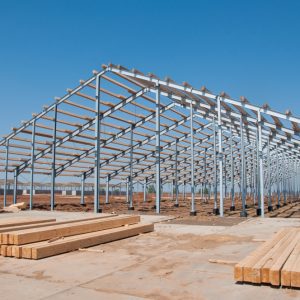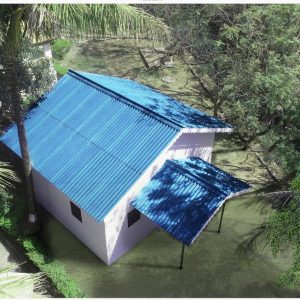

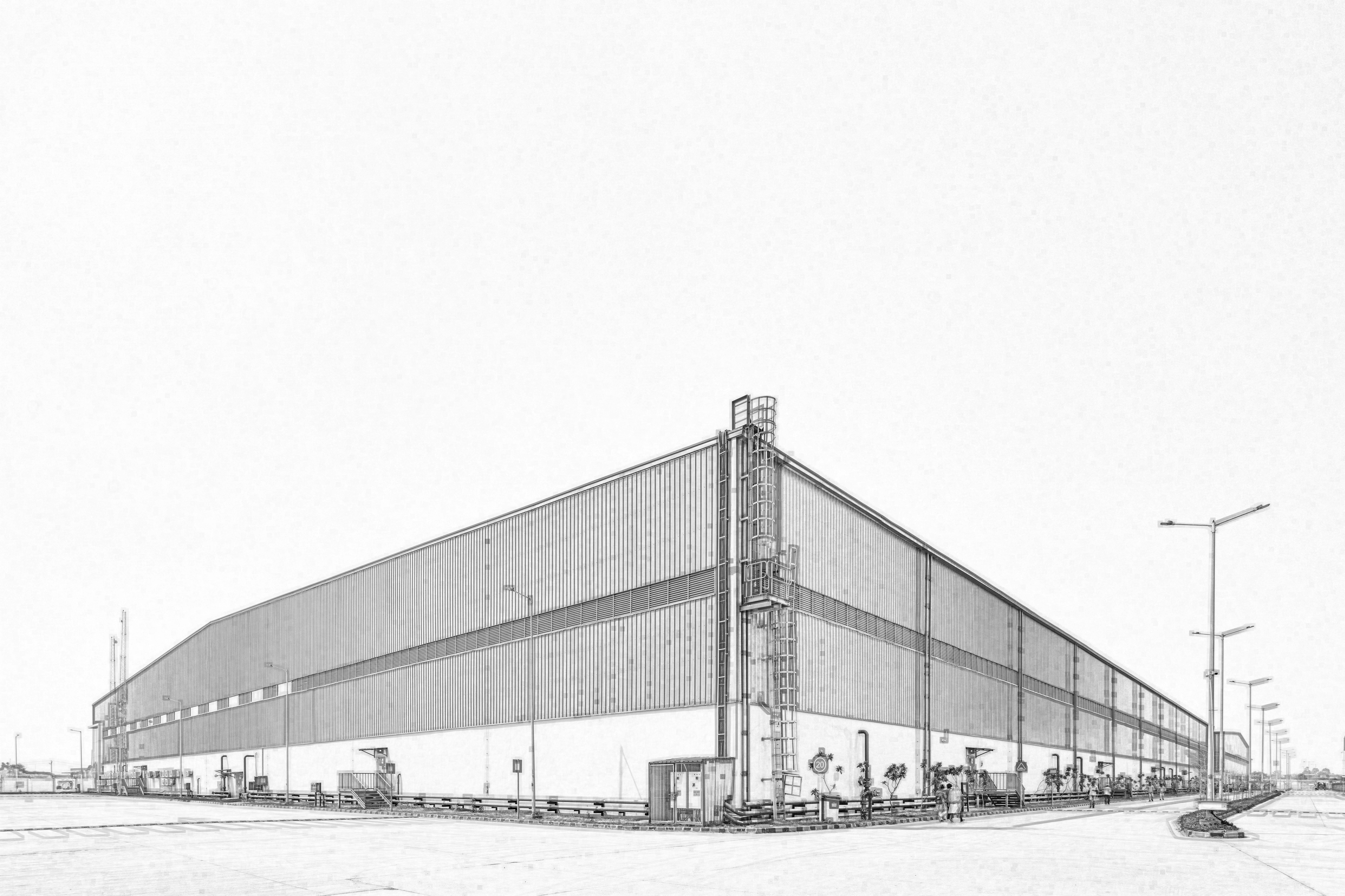
Bracing is a critical, yet often unseen, component in Pre-Engineered Building (PEB) steel structures. It’s the system of elements designed to resist lateral forces and stabilize the structure, ensuring its longevity and safety. Understanding the meaning of bracing and the different types of bracing is essential for anyone involved in PEB construction.
What is Bracing?
Bracing refers to the diagonal or vertical members, such as rods, cables, or angles, incorporated into a structural frame to provide stability against forces acting parallel to the frame’s planes. In simple terms, it converts a potentially unstable rectangular or square frame into a rigid, non-collapsible triangular system.
What is Bracing in PEB Structures?
In PEB structures, bracing is specifically the system of horizontal and vertical members used to transfer loads from the frame to the foundation. This includes distributing wind, seismic, and other lateral forces throughout the structure, preventing it from deforming or collapsing. The appropriate design of bracing in PEB is key to the entire building’s performance.
What is the purpose of bracing?
The primary purpose of bracing is to ensure the stability and integrity of the building. It achieves this by:
- Resisting lateral loads (like wind or earthquake forces).
- Preventing the main structural frames (columns and rafters) from bending or twisting (out-of-plane movement).
- Stabilizing the compression flanges of the structural members.
- Ensuring the structure remains plumb (perfectly vertical) during erection.
Types of Bracing:
The choice of types of bracing depends on the specific building dimensions, load requirements, and functional needs. Here are the common types of bracing used in steel structures and PEBs:
Cross Bracing:
Cross bracing (often X-bracing) is one of the most common and effective types of bracing. It consists of two diagonal members (usually rods or cables) that cross each other, forming an ‘X’ shape within a bay.
- Mechanism: When a lateral force acts on the structure, one member goes into tension while the other slackens, effectively resisting the force and creating a very rigid structural system.
- Application: Widely used in roof planes, side walls, and end walls of PEB
Portal Framed Bracings:
Portal framed bracings (also simply Portal Bracing) are used where openings (like doors or drive-through entrances) are required in the end walls, preventing the use of continuous cross bracing.
- Mechanism: These are rigid frames placed at the ends of the building, which act as cantilevers, resisting lateral loads and transferring them to the foundation without obstructing the opening below.
- Application: Essential for end walls of PEB buildings with large entry gates.
Flange Braces / Purlin Stays:
Flange braces or Purlin Stays are short, secondary members that connect the rafter’s inner compression flange to the purlin (roof framing member).
- Mechanism: They prevent the compression flange of the rafter from buckling laterally (out-of-plane movement), increasing the overall load-bearing capacity of the rafter.
- Application: Used on the underside of rafters, especially for long-span PEB members.
Portal Bracing:
Commonly used at the end walls of PEBs, portal bracing consists of vertical columns and horizontal beams that create rigid frames to resist wind loads.
Sag rods bracing
Sag rods (or Sag Rods) are small-diameter rods used to limit the deflection of purlins and girts in the roof and wall systems, respectively.
- Mechanism: They connect the purlins or girts, distributing the load and reducing the member’s tendency to sag under its own weight or light loads.
- Application: Typically installed at the mid-span of purlins/girts.
Benefits of bracing in steel structures/PEB
The strategic implementation of bracing in steel structures and PEBs offers significant advantages, enhancing performance and safety.
Improved Structural Stability
Bracing is paramount for achieving steel structure stability. It ensures the structure retains its intended shape under various loading conditions, preventing geometric distortion.
Enhanced Wind and Seismic Resistance
By effectively transferring lateral forces to the foundation, bracing provides excellent resistance against high-speed winds and seismic activity, protecting the entire building from collapse or severe damage.
Reduced Building Sway
In tall PEB structures, bracing significantly limits the horizontal movement of the building under wind load, which is crucial for the comfort of occupants and the integrity of non-structural elements.
Better Load Distribution
The bracing system distributes concentrated lateral loads across multiple structural members, preventing any single member from being overloaded.
Increased Safety and Durability
The enhanced stability and resistance provided by proper bracing directly translate into an increased safety margin for occupants and a longer, more durable lifespan for the entire structure.
Faster and Easier Erection During Construction
While adding components, the bracing system actually aids the erection process. Temporary bracing is often used to hold the main frames plumb and stable until permanent secondary members are installed, making the construction process faster and safer.
FAQs
1. What does bracing mean in PEB construction?
Bracing in PEB construction refers to the use of diagonal members (rods, cables, or angles) within the steel frame’s walls and roof to resist and transfer lateral forces (like wind or earthquake forces) to the foundation, ensuring the structure’s rigidity and stability. It’s key to the overall steel structure stability.
2. Which type of bracing is most commonly used?
Cross bracing (X-bracing) is the most commonly used and cost-effective type of bracing for walls and roof planes in PEB structures due to its excellent rigidity and simple meaning of bracing application.
3. Why is bracing important for steel structures?
Bracing is important for steel structures because steel frames, by themselves, are highly susceptible to lateral forces. Bracing locks the frame into a fixed geometry (triangular shape), preventing the frame from buckling, swaying, or collapsing under wind and seismic loads, thus ensuring the steel structure’s stability.
4. What is the 2% bracing rule?
The 2% bracing rule (or 2% of the total dead load) is a guideline often cited in structural engineering for the minimum required lateral force resistance that the bracing system must be designed to handle, particularly during the erection phase. It is an empirical rule ensuring sufficient bracing for the structure’s initial stability against construction-related forces and minor lateral loads before all permanent elements are in place.