
Understanding the Role of Canopies in PEB Structures
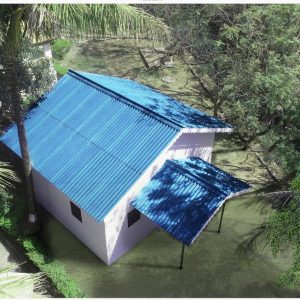
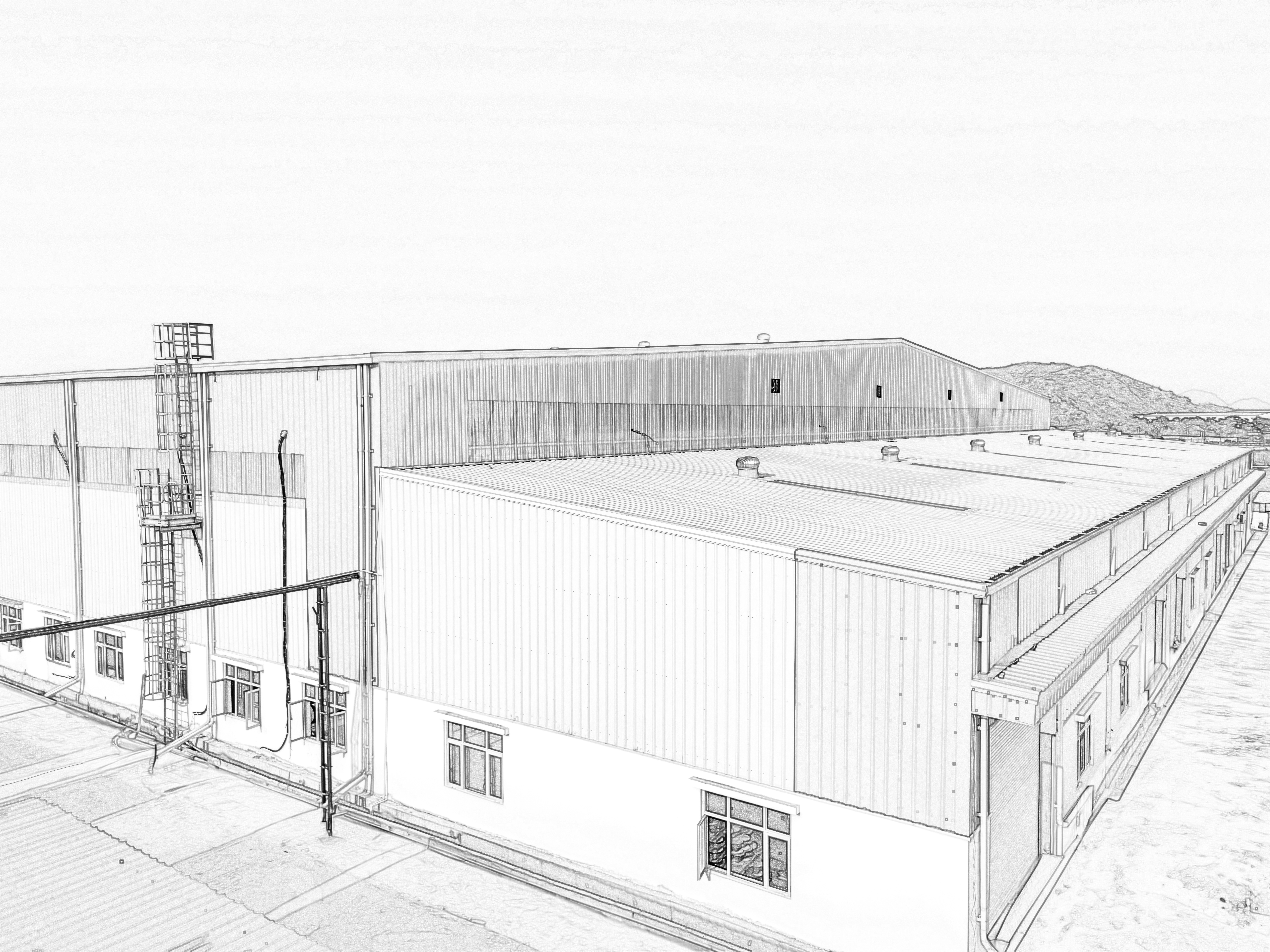
Canopies play an important functional and aesthetic role in modern Pre-Engineered Building designs. A canopy acts as a protective overhang built above entry points, walkways, loading bays, or façade areas. Beyond offering shelter, it enhances building ergonomics, supports branding elements, and improves user comfort. In PEB projects, integrating a canopy is a smart way to expand usable space without altering the main building structure. This makes canopies a practical addition to warehouses, commercial complexes, and industrial facilities.
What is Canopy in PEB?
A canopy in a PEB structure is an extended roof-like projection supported by columns, rafters, or cantilevered beams. It shields people, goods, and operations from rain, heat, and harsh climatic conditions. The meaning of canopy in construction is a secondary covering that provides protection, shade, or architectural emphasis. In PEBs, canopies are designed with materials like metal sheets, tempered glass, and polycarbonate sheets to complement the building’s structural framework. They add both functional value and aesthetic refinement.
Various types of Canopies in PEB
Single-Slope Canopies
A single-slope canopy features a simple downward-sloping roof, ideal for entry areas and side passages. It is economical, easy to install, and widely used in industrial sheds.
Double-Slope Canopies
This canopy resembles a mini gable roof with slopes on both sides. It offers better rainwater drainage and a balanced architectural appearance.
Arched Canopies
Arched canopies provide a sleek, modern look while offering excellent water run-off efficiency. They are commonly seen in commercial buildings, showrooms, and corporate entrances.
Cantilever Canopies
Cantilever canopies are fixed without front supports, creating a clean, floating appearance. They are preferred for areas requiring unobstructed movement, such as loading bays or wide entrances.
Materials Commonly Used for Canopies
Aluminum, polycarbonate sheets, tempered glass and corrugated iron are the four main materials used to construct steel building canopy roofs. Every material has distinct qualities that meet particular requirements for functionality, durability and attractiveness.
1. Canopies made of Corrugated Iron
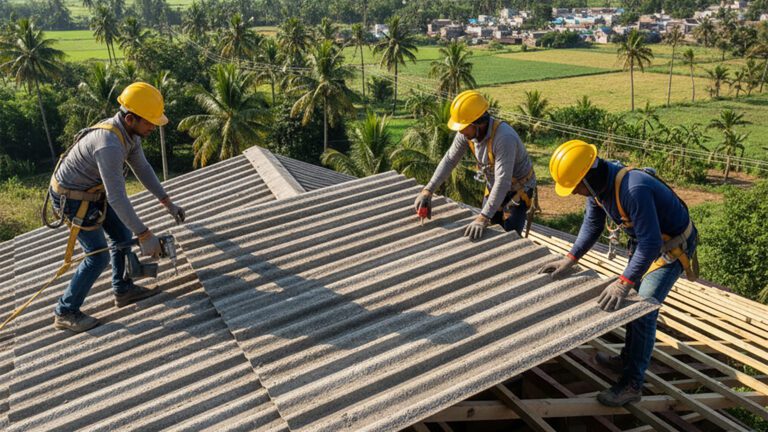
Corrugated iron canopies are durable, lightweight, and cost-effective. They are widely used in industrial applications and are known for their strength and longevity. These corrugated canopy designs are ideal for factories and service areas.
2. Canopies Made of Tempered Glass
A glass canopy design offers elegance and transparency, making it suitable for commercial buildings, office entrances, and showrooms. Tempered glass is strong, weather-resistant, and adds premium aesthetic value.
3. Polycarbonate Sheets for Canopy Roofing
Polycarbonate canopy roofs are lightweight, impact-resistant, and allow natural light to pass through. They are ideal for walkways, parking areas, and semi-open spaces. Polycarbonate is one of the most versatile canopy material types.
4. Canopy for Aluminum Roofs
Aluminum canopy roofs are corrosion-resistant and lightweight. They offer a clean finish and are suitable for industrial and commercial buildings with long-span structures.
Benefits of Canopies for PEB Structures
Weather Protection
Canopies shield entrances, loading docks, and high-movement zones from rain, sun, and wind, enhancing comfort and operational efficiency.
Extended Usable Space
By covering outdoor areas, canopies create functional zones for parking, walkways, or waiting areas, expanding space without additional construction.
Enhanced Aesthetics
Canopies add visual appeal and help define the building’s façade. A well-designed canopy uplifts the architectural identity of a PEB structure.
Energy Savings
By reducing direct sunlight exposure, canopies can improve thermal comfort and contribute to lower cooling loads in adjacent indoor areas.
Branding Opportunity
Canopies can be customized with company colours, shapes, and signage elements, supporting brand visibility and corporate presentation.
Applications of Canopies in Industrial and Commercial Buildings
Canopies are widely used across sectors for both functional and design purposes. Common applications include:
- Factory entrances and warehouse loading bays
- Walkways in industrial and institutional campuses
- Parking shades for employee or visitor vehicles
- Commercial building façades and showrooms
- Security cabins and checkpoint shelters
- Hospital and mall drop-off zones
- Retail storefronts for enhanced visibility and protection
Their versatility makes them a valuable addition to any PEB structure seeking improved utility and aesthetics.
Everest Industries PEB Solutions
Everest Industries offers high-performance PEB solutions engineered for speed, strength, and long-term durability. Our structures are designed to accommodate modern building features such as canopies, skylights, mezzanines, and more. With advanced engineering, precision manufacturing, and a diverse material portfolio, Everest delivers solutions that meet the functional and aesthetic requirements of industrial and commercial clients.
FAQs
1. What is the purpose of a canopy?
A canopy provides shade, weather protection, and architectural enhancement to entry points, walkways, and operational zones.
2. How long can PEB canopies last?
With quality materials like steel, polycarbonate, or tempered glass, PEB canopies can last 20–30 years or more with proper maintenance.
3. What is the difference between a canopy and a full roofing extension?
A canopy is a partial overhang covering specific areas, while a roofing extension expands the building’s main roof structure. Canopies are more cost-effective and design-flexible.
4. Are PEB canopies suitable for warehouses and factories?
Yes. Canopies are ideal for warehouse loading docks, factory entrances, and operational zones that require protection from climatic elements.