

Every building needs a solid structure to stand strong, and at the core of that structure are the materials that hold it together. From shifting temperatures to long monsoons, buildings go through a lot in a year. Walls, ceilings, and floors aren’t just part of the design; they face constant wear and tear.
This becomes more critical in regions with unpredictable weather. Coastal homes deal with humidity. Dry zones face expanding and shrinking surfaces. Kitchens and bathrooms see regular water exposure. To handle these challenges, construction is moving towards smarter, more durable choices.
One material making this shift possible is the cement board. Let’s understand the different cement board uses across industries and how they contribute to smarter, more durable construction.
How is Cement Sheet Used across Industries
1. Ceiling
In both residential and commercial projects, ceilings are often the first area to show signs of wear from moisture, leaks, and temperature changes. Cement board used in ceilings provides excellent resistance against sagging and fungal growth. Especially in areas with high humidity, such as Kerala or coastal Maharashtra, fibre cement board offers a cleaner, more durable finish that lasts longer than traditional gypsum.
2. Cladding
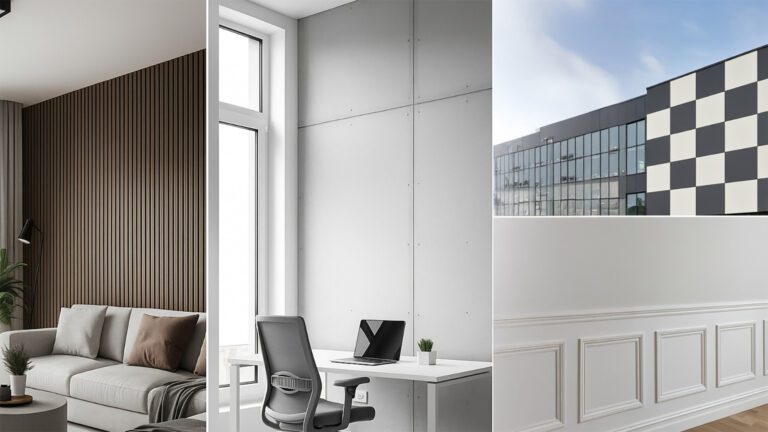
For exterior facades or interior accents, using cement sheet in cladding provides dual benefits: strength and aesthetics. Unlike wood or plaster, they resist warping and don’t crack easily. This makes using concrete boards a reliable choice in areas prone to heat waves or rain, such as Rajasthan or Goa. Cladding with cement boards also helps improve insulation and gives buildings a modern look.
3. Dry Walls
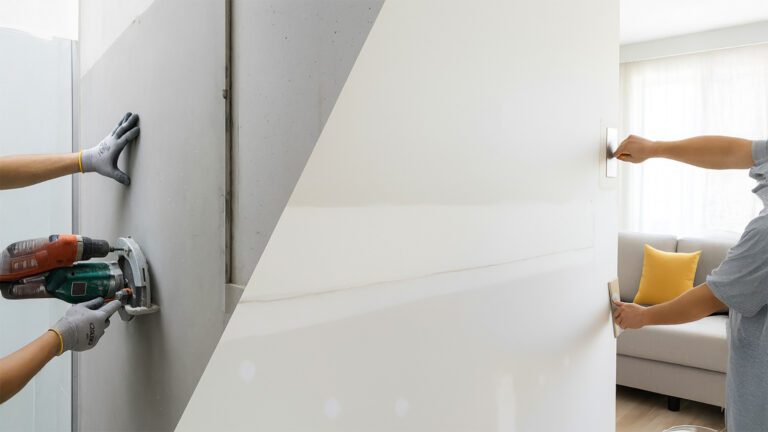
Partition walls made from cement boards are quickly replacing brick and wood in offices, hospitals, and retail spaces. These dry walls are faster to install, cleaner to work with, and more adaptable to layout changes. Especially in metros where space is premium, using cement board in dry construction systems supports both speed and flexibility. Using fibre cement board in this area also helps reduce long-term maintenance costs.
4. Floor
Flooring needs a solid, water-resistant base, especially in bathrooms, kitchens, balconies, and basements. Concrete and other suitable underlayment materials provide a stable foundation for tile, vinyl, or wooden floor finishes. In cities like Bengaluru or Delhi, where design meets function, durable underlayment solutions are valued for their ability to reduce cracks and water damage over time.
5. Ready-Made Walls
Pre-fabricated wall panels are gaining popularity in modern construction due to their efficiency. Cement board use in ready-made walls is ideal for quick builds without compromising strength. These systems are widely used in industrial units, educational campuses, and temporary office structures. Using fibre cement board for walls ensures these panels are lightweight yet durable, reducing both construction time and load on the foundation.
6. Roof Tile Underlay
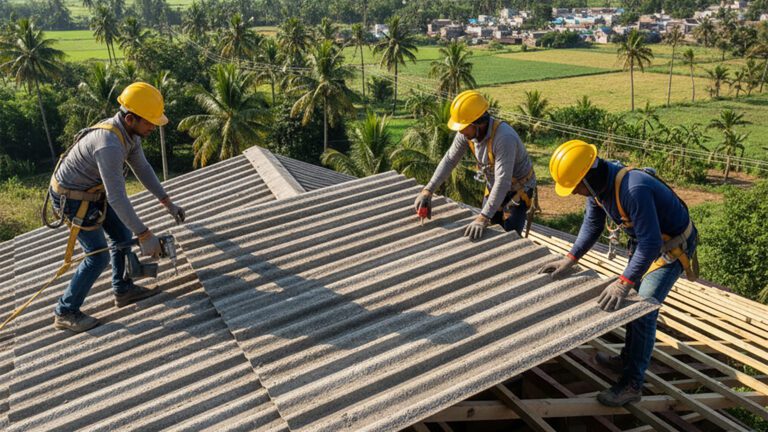
In sloped roofing systems, especially those with tile finishes, using the right underlay is critical. Concrete board is used here as a supportive, moisture-resistant layer that holds the tiles in place while preventing water seepage. States like Himachal Pradesh or Uttarakhand, where tiled roofs are common, benefit greatly from this application.
7. Duct Covering
Cement boards are fire-resistant and non-combustible, making them ideal for covering HVAC ducts in commercial and industrial buildings. Cement sheet is used in duct systems to ensure added protection while also maintaining a neat appearance in exposed ceiling designs. Cement board use in this area is becoming a standard choice in large infrastructure projects.
8. Back-Liners
In wet areas such as showers, laundry rooms, or kitchen backsplashes, back-liners made of cement boards serve as a protective layer behind tiles. This prevents mould, swelling, or structural damage due to water exposure. Using Fibre cement board here helps extend the life of interior fittings and makes maintenance easier.
9. Cupboards
Cupboards, especially in utility areas and modular kitchens, benefit from moisture-resistant materials. Cement board used in cupboard panels make them more durable than plywood or MDF in areas exposed to steam or spills. Using cement sheet here also allows better finish options, including paint, veneer, or tiles.
10. Countertop
In kitchens and workspaces where heat and water exposure is constant, using cement board in countertop bases adds strength without the bulk. Using a concrete board in this space also resists warping and cracking. They provide the ideal surface for applying granite, quartz, or tile finishes securely.
Why Choose Everest Cement Sheets for Your Needs
Not all cement boards are created equal. Everest Cement Sheets stand out for their long-term performance and eco-conscious manufacturing practices. Here’s why they’re a preferred choice across multiple sectors:
- Low Carbon Footprint – GreenPro Certified
Everest boards are certified for sustainability and lower emissions. - Clean Material
Manufactured without hazardous substances, they’re safe for indoor use. - Recyclable – Up to 35% Recycled Content
Made with a significant percentage of recycled raw materials. - Increased Strength
Designed for higher load-bearing capacity and long-term durability. - Saves Water – Up to 60% During Construction
Compared to wet plastering, Everest boards reduce water usage significantly. - Dry Construction – Contributes to 30% Less Pollution
Keeps the site cleaner, quieter, and more efficient. - Excellent Relocatability – 60% Materials Can Be Salvaged
Modular systems using Everest boards can be reused, reducing wastage.
Whether you’re exploring fibre cement board uses for interiors or cement sheet uses in large commercial builds, Everest offers a dependable solution that blends sustainability with strength.
Build Smarter with Cement Boards
Across homes, offices, and industrial spaces, the need for durable and low-maintenance building materials continues to grow. With their ability to handle moisture, heat, and structural stress, cement boards have proven their value in modern construction. From ceilings and cladding to floors and partitions, using cement board is both practical and future-ready. As more builders turn to dry construction methods, this material offers the right balance of strength, speed, and sustainability. For any project aiming for long-term performance with minimal upkeep, cement boards remain a smart and reliable choice.
FAQ
1. What is the use of cement board?
Cement board uses include applications in ceilings, floors, cladding, countertops, and more. They’re strong, water-resistant, and suitable for both interior and exterior construction.
2. Is cement board stronger than plywood?
Yes. Cement boards are denser, fire-resistant, and less prone to warping or pest damage compared to plywood.
3. Can cement board crack?
While highly durable, cement boards can crack if not installed correctly or if subjected to excessive force without support.
4. Can I put cement board over plywood?
Yes. Plywood can be installed over cement boards in certain applications to provide additional support or a suitable base for finishes. Cement boards are primarily used as the moisture-resistant layer, while plywood adds structural strength where required.
5. How to attach cement board?
Cement boards are typically fixed using corrosion-resistant screws or nails, with spacing left for expansion.
6. Can you plaster over cement board?
Yes, you can plaster over cement boards using bonding agents or mesh. This is a common practice in both interior and exterior finishes.