

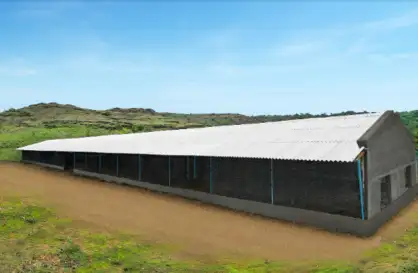
What is Cool Roof?
As the world grapples with the challenges of climate change and rising global temperatures, innovative solutions are needed to beat the heat. Especially in tropical areas like India, where summer temperatures break new records every year. One such solution gaining popularity is the implementation of cool roofs or cool roofing sheets
A cool roof is a roofing system designed to reflect more sunlight and absorb less heat than traditional roofs. The concept is simple, yet effective: by using materials and technologies that reduce heat absorption, cool roof technology can help lower indoor temperatures and provide effective temperature control.
What Purpose Does a Cool Roof Serve?
A cool roof serves several essential purposes, all of which go hand in hand with sustainable building practices. They are designed to reflect a significant portion of the sun’s rays, such as ultraviolet and infrared radiation, acting as a shield to reduce heat absorption. This, in turn, keeps the indoor space cooler, leading to lower energy consumption for air conditioning during hot weather. As a result, buildings with cool roof technology experience reduced energy bills and leave a smaller carbon footprint.
Benefits of Cool Roof Technology
The adoption of cool roof technology has gained significant attention due to the array of advantages it brings. Here are some of the key benefits of cool roofs:
1. Reduced Cooling Costs
By reflecting sunlight away, cool roof coatings reduce the amount of heat transferred indoors, leading to lower cooling requirements and reduced energy consumption.
2. Improved Air Quality
As cool roofs help lower indoor temperatures, there is less reliance on air conditioning units. Consequently, there is a decrease in the emission of air pollutants and greenhouse gases associated with energy production, contributing to better air quality in urban areas.
3. Sustainable Building Compliance
Installing cool roof technology can help building owners comply with energy efficiency and environmental regulations.
4. Enhanced Roof Durability
Cool roofs experience less thermal stress, which can extend the lifespan of roofing sheets, reducing the need for frequent repairs or replacements.
5. Government Incentives
In some regions, there may be financial incentives, tax credits, or rebates for installing cool roofs. These incentives aim to promote sustainable practices and mitigate the heat island effect.
Exploring the applications of cool roofing
Cool roofs can offer significant benefits in various situations, including residential, agricultural, commercial, and industrial settings. Let’s explore how cool roof coatings can help in each of these situations:
1. Residential and Commercial
Roof cooling systems in residential and commercial areas can provide the following advantages:
a. Energy Savings
By reflecting a significant portion of the sun’s rays, cool roofs reduce heat absorption in the house, leading to lower indoor temperatures. As a result, homeowners can rely less on air conditioning during hot weather, reducing energy consumption and saving on cooling costs.
b. Improved Comfort
Cooler indoor temperatures create a more comfortable living environment, especially in regions with hot climates, enhancing the overall quality of life for residents.
c. Extended Roof Lifespan
The reduced heat exposure on cool roofs can lead to less thermal stress on roofing materials, potentially extending the lifespan of the roof and reducing the need for frequent repairs or replacements.
2. Agricultural
Cool roofs can be particularly beneficial for agricultural structures, such as animal farms, poultry sheds and storage sheds.
a. Animal Welfare
In animal farms and poultry sheds, excessive heat can cause stress to animals, affecting their health and productivity. Cool roof technology helps maintain a cooler and more comfortable environment for the livestock, promoting their well-being and potentially increasing yields.
b. Climate Control
In storage sheds, cool roofs can help regulate temperatures, protecting stored goods from extreme heat, and preventing spoilage or damage to sensitive agricultural products.
3. Industrial
Cool roofs offer several advantages for industrial facilities:
a. Animal Welfare
In animal farms and poultry sheds, excessive heat can cause stress to animals, affecting their health and productivity. Cool roof technology helps maintain a cooler and more comfortable environment for the livestock, promoting their well-being and potentially increasing yields.
b. Climate Control
In storage sheds, cool roofs can help regulate temperatures, protecting stored goods from extreme heat, and preventing spoilage or damage to sensitive agricultural products.
4. Industrial
Cool roofs offer several advantages for industrial facilities:
a. Energy Cost Reduction
Industrial buildings often have large roof areas, leading to substantial heat absorption. Cool roofs can help decrease cooling demands, leading to reduced energy costs for temperature regulation.
b. Equipment Preservation
ome industrial processes or equipment may be sensitive to high temperatures. Cool roofs can help maintain a more stable and moderate temperature in the industrial space, potentially extending the life of machinery and reducing maintenance costs.
c. Work Environment Improvement
Employees working in industrial facilities can experience better working conditions with a cooler indoor environment, leading to increased productivity and reduced heat-related health risks.
As you can see, cool roofs provide multiple benefits across different settings, offering energy savings, improved comfort, and environmental sustainability. Implementing cool roofs in these spaces is not only beneficial, but also offers an eco-friendly approach to construction and operation.
Summary
Cool roofs are a promising solution to combat the heat island effect, reduce energy consumption, and promote sustainability in urban areas. By reflecting sunlight and minimizing heat absorption, roof cooling systems by Everest offer a range of benefits, including lower cooling costs, improved air quality, and increased roof lifespan. As the world continues to prioritise sustainable practices, cool roofs have emerged as a simple yet impactful way to create more energy-efficient and environmentally friendly buildings.













One Response
Tһis is a topic that’s close to my hеart… Best wishes!
Exactly where are your contact detaіls though?