

India’s population is growing at a rapid rate, and with this rapid increase in population comes a larger than ever demand for housing and infrastructure. As our population evolves and grows, it’s only right that our construction methods do so as well.
Gone are the days of traditional construction with years-long project timelines. Pre-engineered steel buildings are the new, timely solution to all your construction needs.
What are pre-engineered buildings, you ask? Let’s take a look.
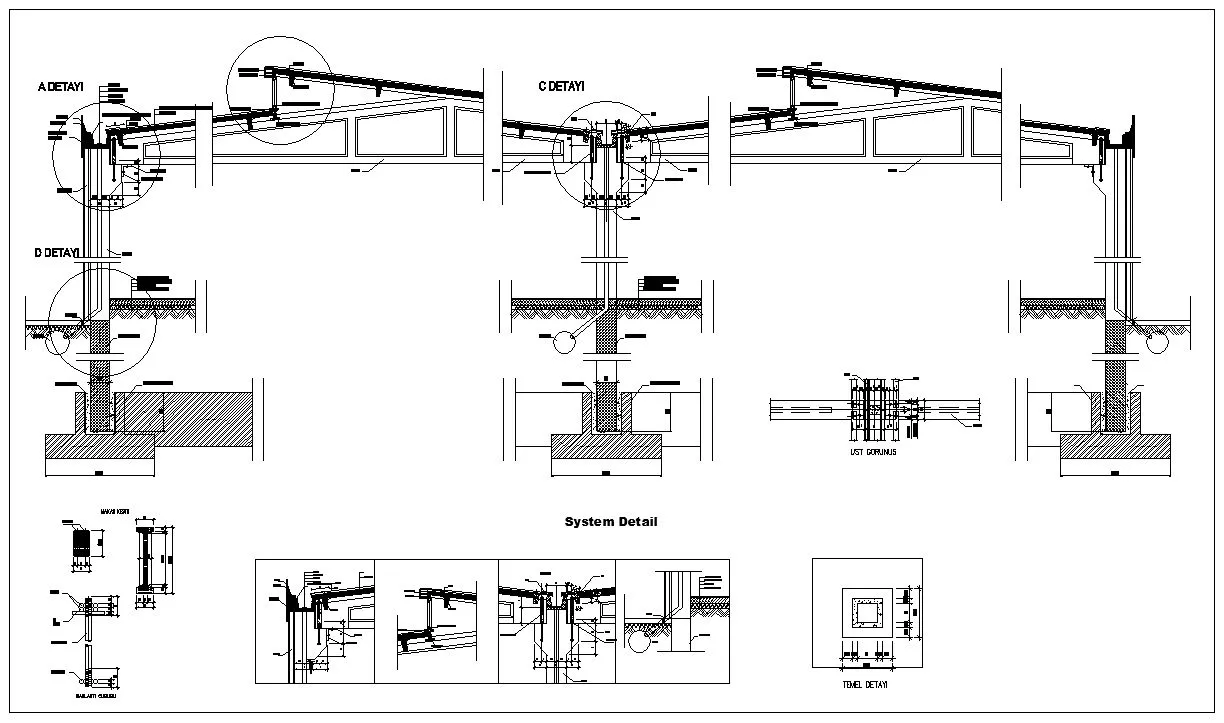
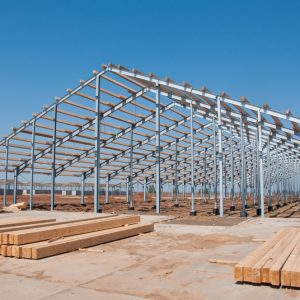
Pre-Engineered Buildings, also known as PEBs, are steel structures that are designed and fabricated off-site and then assembled on-site. These buildings are composed of steel frames and are tailored to meet specific needs. They offer several advantages, over traditional construction, such as:
- Cost savings: PEBs are affordable due to standardised components and quicker construction, saving on labour and time costs.
- Quick construction: PEBs are assembled fast because most parts are pre-made, leading to quicker project completion.
- Flexibility: PEBs can be tailored to specific project needs, accommodating different sizes and layouts. They can also easily accommodate future expansions.
- Strong and Durable: PEBs use high-quality steel, ensuring a robust structure that can withstand different conditions.
- Low Maintenance: PEBs require minimal upkeep because of the durability of steel components. The simplicity of the design also means fewer parts and joints, minimizing maintenance needs.
Now that we understand what PEBs are, and how they can benefit your project, let’s look at a few tips and considerations that you should keep in mind before designing your PEB steel structure.
5 Tips to Designing the Perfect PEB
1. Define Your Requirements
Before diving into the design process, clearly define the purpose of your pre-engineered building and outline your specific requirements. Are you constructing a warehouse, industrial facility, or office space? Consider factors such as size, layout, and functionality, as this will affect the core structure of your PEB.
For example, if you are constructing a PEB warehouse, your requirements will include a vast storage area, efficient loading and unloading facilities, and office space for administrative functions.
Understanding and communicating your specific needs will lay the foundation for a successful design.
2. Site Analysis and Preparation
Conduct a thorough analysis of the construction site. Factors such as soil conditions, climate, and local building codes play a significant role in the design process. Understanding the site’s limitations and opportunities will enable the design team to make informed decisions regarding foundation design, structural elements, and overall building performance of your PEB structure.
3. Customization and Flexibility
One of the advantages of pre-engineered steel buildings is their customization potential. Work closely with the design team to incorporate features that align with your specific needs.
Whether it’s specialized loading docks, mezzanine floors or unique architectural elements, it’s essential to ensure that the building design accommodates your requirements.
4. Energy Efficiency and Sustainability
Since pre-engineered structures are highly customizable steel structures, they are easy to incorporate sustainable design principles into.
You can do this by utilizing energy-efficient materials, implementing smart insulation techniques, and exploring renewable energy options.
Designing with sustainability in mind not only benefits the environment but can also lead to long-term cost savings through reduced energy consumption.
5. Future Expansion and Adaptability
Design your pre-engineered structure with future growth in mind. Consider the potential for expansion and ensure that the structure allows for easy modifications or additions. This adaptability will enhance the longevity of your investment and accommodate changes in your business or operational needs.
Choosing the right PEB manufacturing partner can help you take care of a lot of these factors. Such as Everest Industries, a trusted provider of PEB manufacturing solutions. Everest Industries can help you make your way through the entire process, from design to final outcome. Consult with us today to make your project come to life.












One Response
Great article, exactly what I needed.