
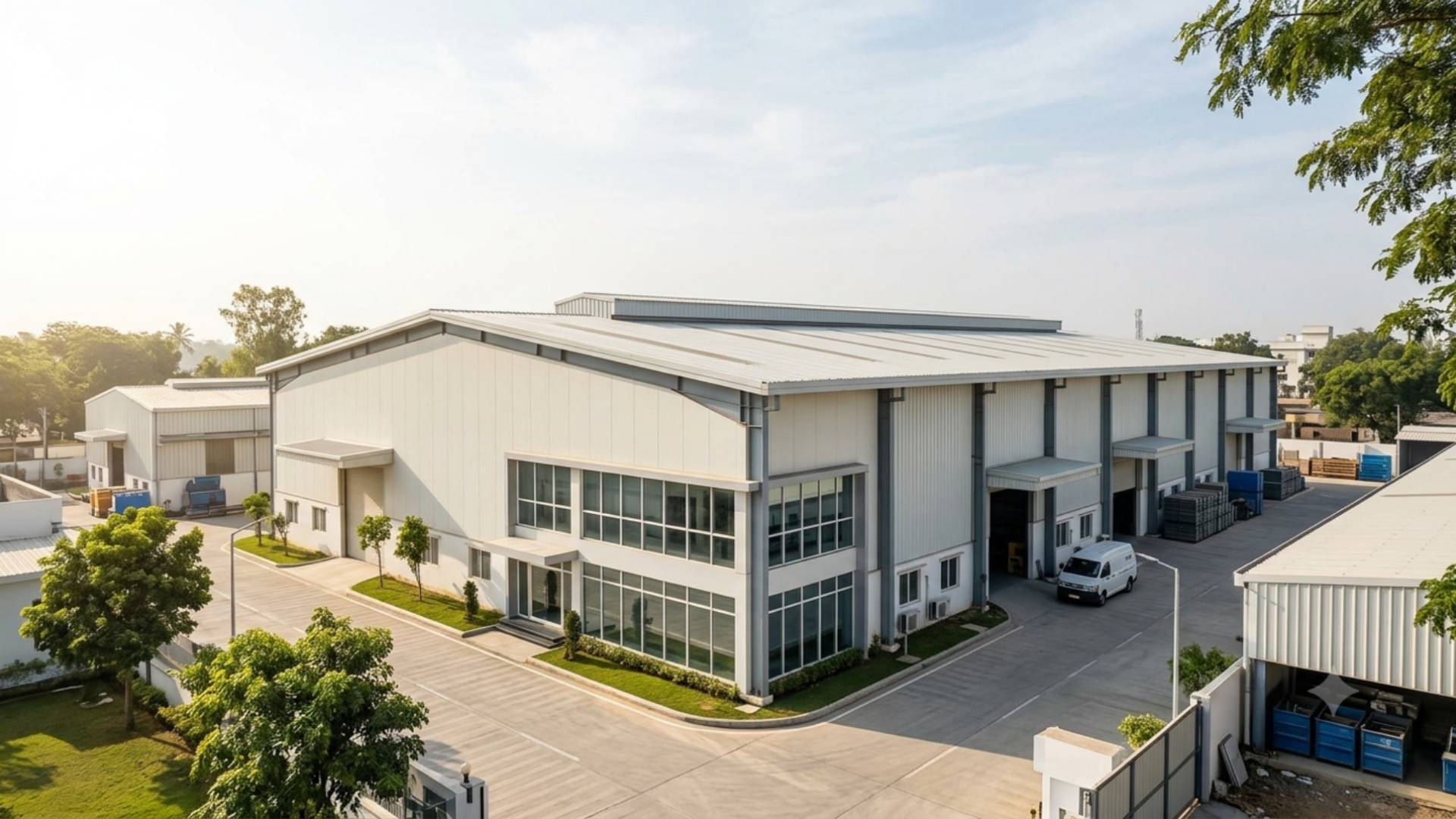
Prefabricated buildings are designed for durability, speed, and efficiency, but like any built environment, their long-term performance depends on consistent upkeep. While these structures are engineered for reliability, a well-planned approach to maintenance ensures they continue to deliver optimal functionality, safety, and lifecycle value.
Understanding how to maintain prefab building systems is essential for businesses looking to protect their investment and avoid unexpected downtime or repair costs.
Importance of Prefab Building Maintenance
Regular prefab building maintainence is not just about fixing visible issues, it is about preserving structural integrity, ensuring operational efficiency, and extending the life of the building.
Unlike conventional construction, prefab structures rely on precision-engineered components. This makes timely inspections and preventive care critical to maintaining performance standards.
Consistent efforts to maintain prefab buildings also help identify minor concerns early, preventing them from escalating into costly repairs.
How to maintain Prefab Building
A structured approach to maintenance can be broadly divided into exterior and interior aspects, each requiring focused attention.
Exterior Maintenance:
Roof Maintenance
The roof is one of the most exposed elements of any prefab structure. Regular checks for water pooling, loose fasteners, or damaged sheets are essential. Ensuring proper drainage and sealing prevents leakage and protects internal systems.
Addressing Corrosion and Rust
Metal components may be exposed to moisture and environmental conditions over time. Periodic inspection and application of anti-corrosion coatings help preserve structural strength and appearance.
Structural Checks
External structural elements such as columns, beams, and joints should be inspected for alignment, stress, or damage. This is a key part of prefab building maintainence, especially in industrial environments.
Cleaning
Dust, debris, and pollutants can accumulate on external surfaces, affecting both aesthetics and performance. Regular cleaning helps maintain surface quality and prevents long-term deterioration.
Good to Know
Periodic cleaning of external panels also improves reflectivity, which can contribute to better thermal performance in certain climates.
Regular Inspections & Assessment
Routine inspections help track wear and tear over time. Scheduled assessments ensure that all exterior elements continue to perform as intended and support long-term durability.
Interior Maintenance
Repairs
Interior components such as partitions, flooring, and fixtures should be repaired promptly to avoid operational disruptions. Small issues, when ignored, can affect overall usability.
Upkeep of HVAC Systems
Efficient HVAC systems are critical for comfort and performance, especially in controlled environments. Regular servicing ensures consistent airflow, temperature control, and energy efficiency.
Fact
Well-maintained HVAC systems can improve energy efficiency by up to 15–20% in prefab structures.
Energy Efficiency and Insulation Checks
Insulation plays a key role in maintaining internal conditions. Periodic checks ensure there are no gaps, leaks, or degradation that could impact energy consumption.
Proper Ventilation and Moisture Control
Adequate ventilation prevents condensation and moisture build-up, which can affect both structural elements and indoor air quality. Maintaining airflow systems is essential for long-term performance.
Common Issues in Prefabricated Buildings
Even with high-quality construction, prefabricated structures are exposed to environmental conditions, operational wear, and time-related degradation. Identifying these issues early is essential to ensure long-term performance and avoid costly interventions. A proactive approach to prefab building maintainence helps mitigate these risks effectively.
Some of the most common issues include:
Minor leaks due to sealant wear
Over time, sealants around joints, fasteners, and panel connections can degrade due to UV exposure and temperature fluctuations. This can lead to water ingress, especially during heavy rainfall, affecting both interiors and insulation layers.
Surface corrosion in exposed areas
Steel components, particularly in coastal or high-humidity environments, may develop corrosion if protective coatings wear off. If not treated early, this can impact both the structural integrity and appearance of the building.
Insulation degradation affecting thermal efficiency
Insulation materials may lose effectiveness due to moisture ingress, ageing, or physical damage. This results in higher energy consumption and inconsistent internal temperatures, especially in climate-controlled spaces.
HVAC inefficiencies due to lack of servicing
Dust accumulation, clogged filters, or poorly maintained systems can reduce HVAC performance. This not only affects comfort but also increases operational costs and energy usage.
Fastener loosening and joint movement
Due to thermal expansion and contraction, fasteners and joints may loosen over time. Regular tightening and inspection are crucial to maintain structural stability.
Condensation and moisture build-up
Poor ventilation or insulation gaps can lead to condensation inside the building. This may cause damage to interiors, promote corrosion, and affect indoor air quality.
Panel damage or misalignment
External panels may get dented, warped, or misaligned due to impact or environmental stress. This can compromise both the building envelope and overall aesthetics.
Understanding these challenges is a key part of learning how to maintain prefab building systems effectively. With regular inspections and timely action, businesses can maintain prefab buildings in optimal condition, ensuring uninterrupted operations and long-term reliability.
Build & Maintain with Confidence
Looking for high-performance prefab solutions designed for durability and ease of maintenance? Everest Industries offers advanced building systems that combine precision engineering with long-term reliability. Partner with Everest Industries to create prefab buildings that are built to last and easy to maintain.
Benefits of Regular Maintenance
- Extended Lifespan: Proper care helps maintain structural integrity over time, preventing premature wear of key components.
- Cost Efficiency: Preventive maintenance reduces major repair expenses by addressing minor issues before they escalate.
- Operational Continuity: Minimises downtime and disruptions, ensuring smooth day-to-day operations.
- Energy Savings: Efficient systems and well-maintained insulation help reduce overall energy consumption.
- Safety Assurance: Ensures a secure working environment by identifying and mitigating potential risks early.
Ensuring Long-Term Performance with Smart Maintenance
A well-maintained prefab structure continues to deliver the efficiency and reliability it was designed for. By focusing on both exterior and interior upkeep, businesses can ensure optimal performance, reduce lifecycle costs, and maintain operational excellence.
A disciplined approach to prefab building maintainence ultimately protects both the structure and the investment behind it.
FAQs:
How to maintain prefab buildings?
To maintain prefab buildings, focus on regular inspections, timely repairs, cleaning, and servicing of systems like roofing and HVAC to ensure long-term performance.
What is prefab building manintainence?
Prefab building maintainence refers to the routine care and inspection of structural and functional components to ensure durability, safety, and efficiency.
How often should prefab buildings be inspected?
Prefab buildings should ideally be inspected periodically, typically every 6 to 12 months, depending on usage, environmental conditions, and operational demands.